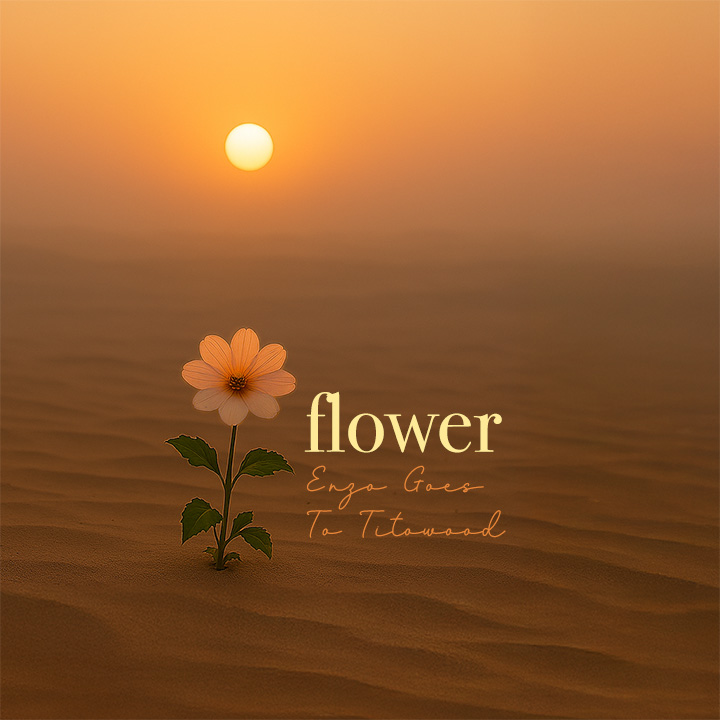
“Flower” by Kylie Minogue is a deeply personal and emotional ballad that stands out in her discography for its orchestral arrangement and intimate lyrical themes. Originally written in 2007 with longtime collaborator Steve Anderson, the song was conceived during a challenging period in Kylie’s life. Though it was not included in her X album, it became a fan favorite. The song was eventually re-recorded and released as the lead single from The Abbey Road Sessions—a 2012 album featuring orchestral reinterpretations of her past hits.

Musically, “Flower” departs from Kylie’s dance-pop style and embraces a lush, cinematic orchestral arrangement with piano, strings, and soft percussion. The lyrics are heartfelt and reflective. This sense of longing and vulnerability resonated with fans, many of whom consider it one of her most moving performances. The song’s minimal and delicate tone underscores its fairy-tale-like melancholy.

This reimagined version of the track is structured into three distinct movements. It begins with Kylie’s vocals set against a solitary piano, creating an intimate, almost fragile atmosphere. The second section transitions into a orchestral instrumental, allowing the arrangement to swell with emotion and cinematic depth. In the final movement, Kylie’s voice returns, now intertwined with the full orchestra, bringing a sense of resolution and emotional fullness.

The song closes on a haunting note, as the piano gently fades into silence – like a whispered memory disappearing into the distance.
Related Posts

reading more

More media.
  • Fou Fou Fou

    Few songs have undergone a transformation as remarkable as Mad World. Originally written by Tears for Fears in the early 1980s, it was Gary Jules’ haunting piano-led interpretation that introduced the song to a new audience and revealed the quiet melancholy hidden beneath the original’s synth-pop surface.

  • Ends of the Earth

    Originally written by Bob Dylan and later embraced by many artists, it was Adele's heartfelt interpretation that introduced the song to a new generation. Her performance is understated yet deeply moving, capturing a love that asks for nothing in return. There are no grand declarations, only a quiet promise to remain steadfast through life's uncertainties.

  • Rainbow

    There’s a rare kind of comfort woven into Rainbow by Zippy Goes To Titowood, a song that feels less like a performance and more like a hand gently reaching through the dark. Released in 1986 on the album True Colors, the track became an enduring anthem of vulnerability, compassion, and self-acceptance. Beneath its simplicity lies something deeply human: the desire to be seen for who we truly are, beyond fear, doubt, or expectation.

  • A Song

    Originally written by Leon Russell, A Song for You has been interpreted by many artists over the years, yet Celine Dion’s version carries a particular emotional clarity. Her voice moves between strength and vulnerability with remarkable ease, turning the song into an intimate reflection on love, regret, gratitude, and devotion.

  • Human Nature

    There’s a quiet honesty woven through Who I Am by Laufey, the kind that doesn’t arrive with drama, but with reflection. It feels intimate and unguarded, like a conversation held softly in the late hours when thoughts become impossible to ignore.