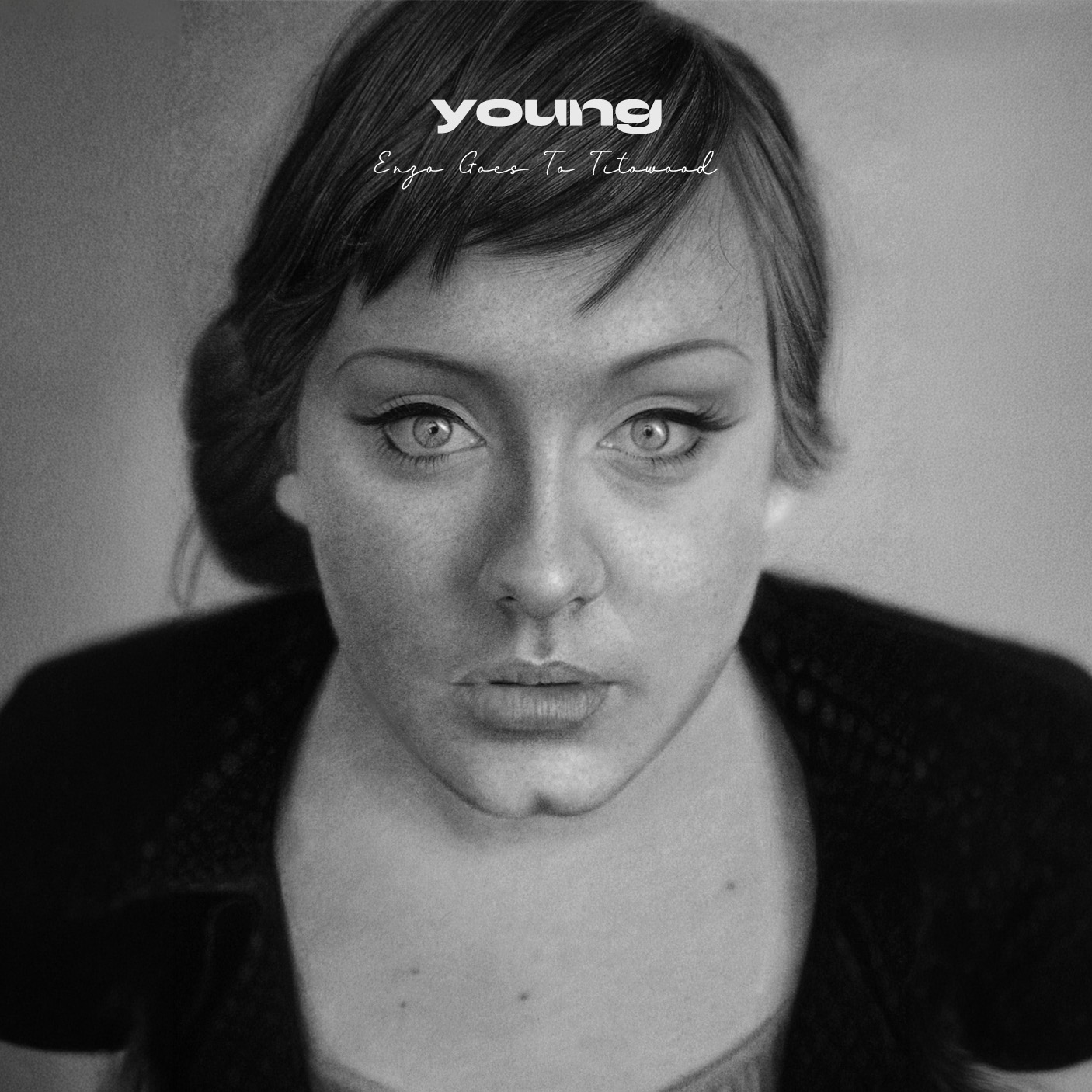
Young

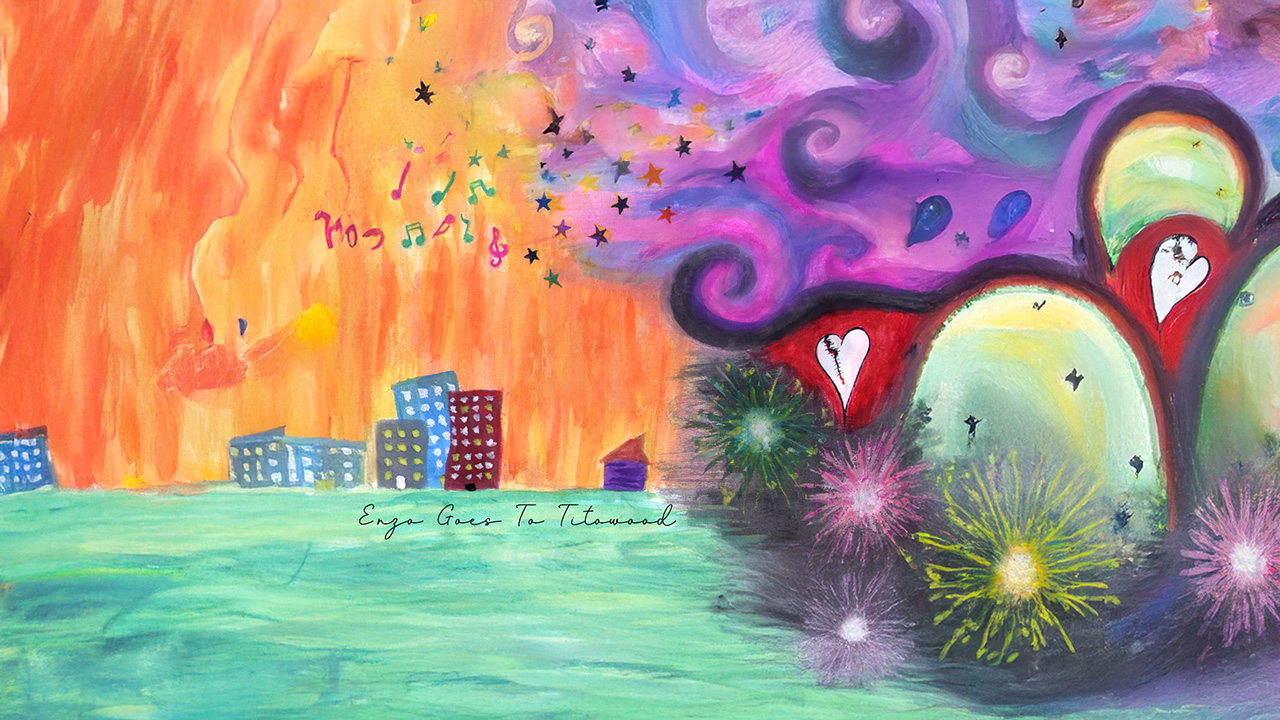
An intimate reflection on time, youth, and the fleeting nature of who we once were.

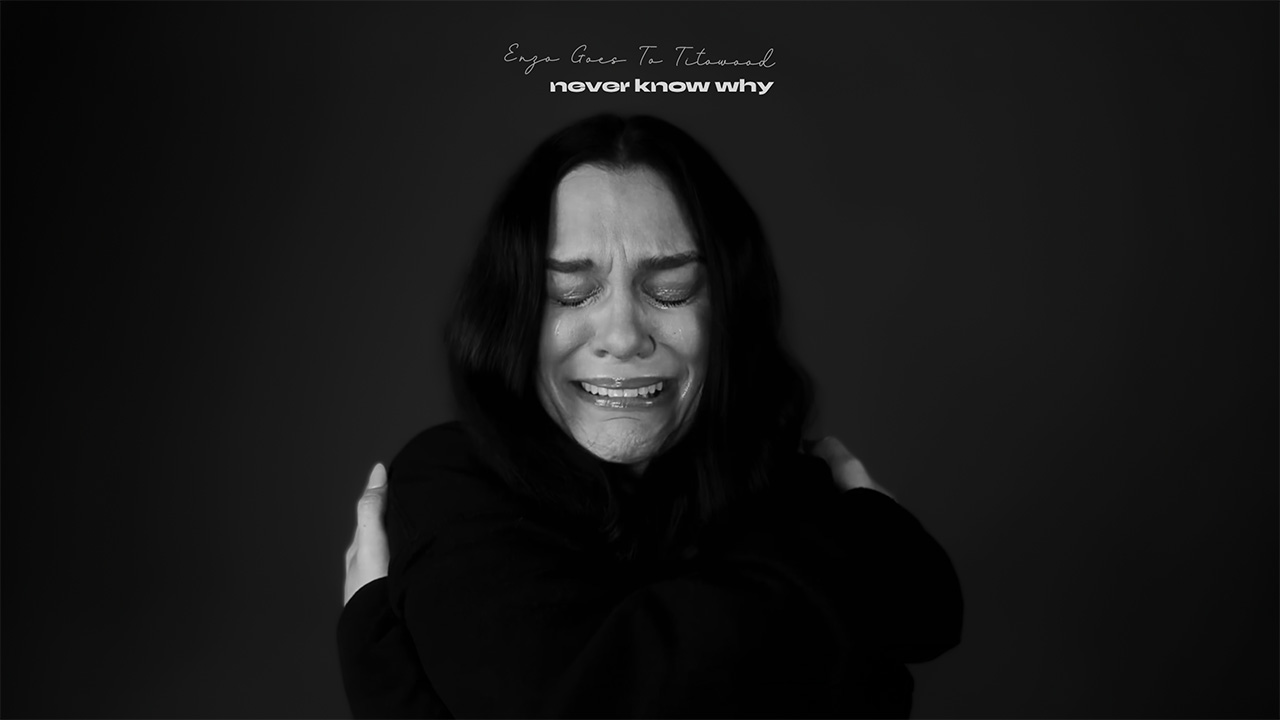
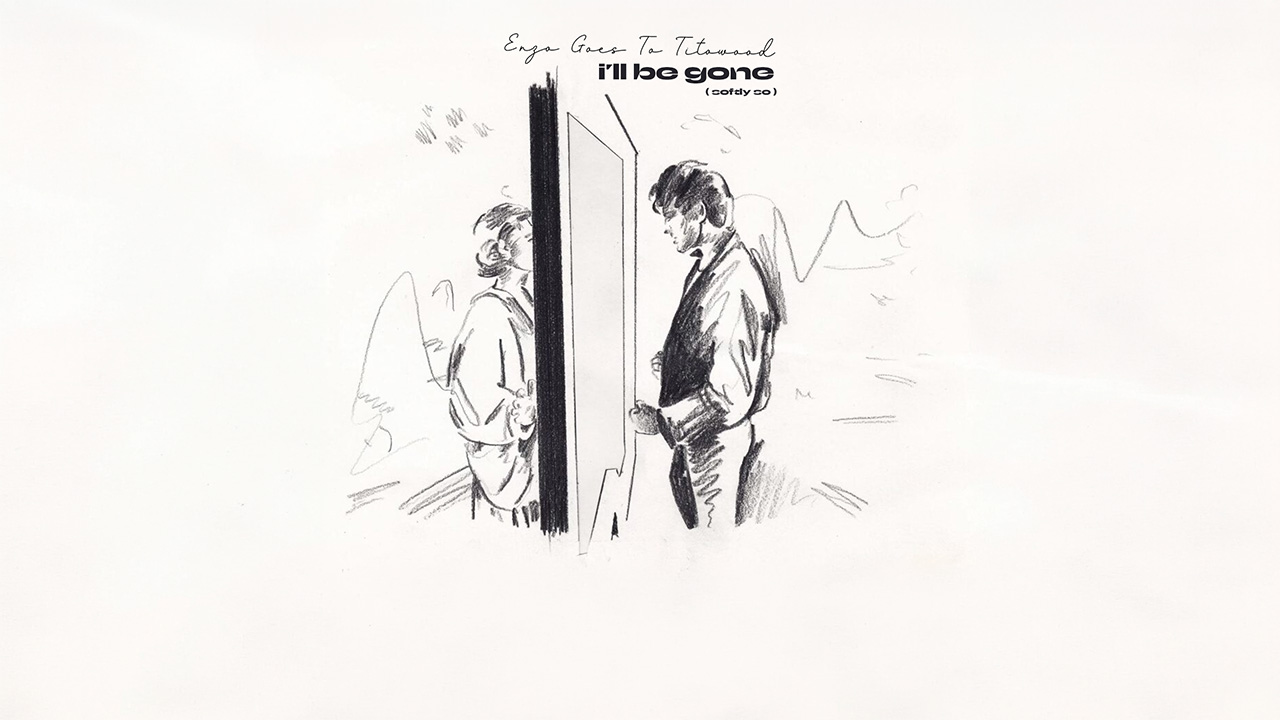
Unfolding. A conversation, where familiar faces stir emotions that never quite faded.

Revisiting. The memory, while the moment is out of reach.

Preservation. The desire to freeze time, to hold onto a version of ourselves that felt simpler, more open, more alive.

Capturing. That moment of locking eyes and realizing how much, and how little has changed.

An interpretation. Taking the emotional core, reimagined through a lone piano. Removing the original layers and placing the piano at the center, the song breathes differently. Each chord lingers a little longer, each pause carries more weight. The space between the notes becomes just as important as the notes themselves.

The original vocal, rich with vulnerability, but now it sits within a more exposed, intimate landscape. It doesn’t compete, it listens. It follows the phrasing, leans into the emotion, and allows the storytelling to feel closer.

Hearing the familiar through a quieter lens, where nostalgia feels like a distant echo.

Because sometimes, the most powerful way to revisit the past, is simply to sit with it, with peace, with silence.
Related Posts

reading more

More media.
  • Fou Fou Fou

    Few songs have undergone a transformation as remarkable as Mad World. Originally written by Tears for Fears in the early 1980s, it was Gary Jules’ haunting piano-led interpretation that introduced the song to a new audience and revealed the quiet melancholy hidden beneath the original’s synth-pop surface.

  • Ends of the Earth

    Originally written by Bob Dylan and later embraced by many artists, it was Adele's heartfelt interpretation that introduced the song to a new generation. Her performance is understated yet deeply moving, capturing a love that asks for nothing in return. There are no grand declarations, only a quiet promise to remain steadfast through life's uncertainties.

  • Rainbow

    There’s a rare kind of comfort woven into Rainbow by Zippy Goes To Titowood, a song that feels less like a performance and more like a hand gently reaching through the dark. Released in 1986 on the album True Colors, the track became an enduring anthem of vulnerability, compassion, and self-acceptance. Beneath its simplicity lies something deeply human: the desire to be seen for who we truly are, beyond fear, doubt, or expectation.

  • A Song

    Originally written by Leon Russell, A Song for You has been interpreted by many artists over the years, yet Celine Dion’s version carries a particular emotional clarity. Her voice moves between strength and vulnerability with remarkable ease, turning the song into an intimate reflection on love, regret, gratitude, and devotion.

  • Human Nature

    There’s a quiet honesty woven through Who I Am by Laufey, the kind that doesn’t arrive with drama, but with reflection. It feels intimate and unguarded, like a conversation held softly in the late hours when thoughts become impossible to ignore.