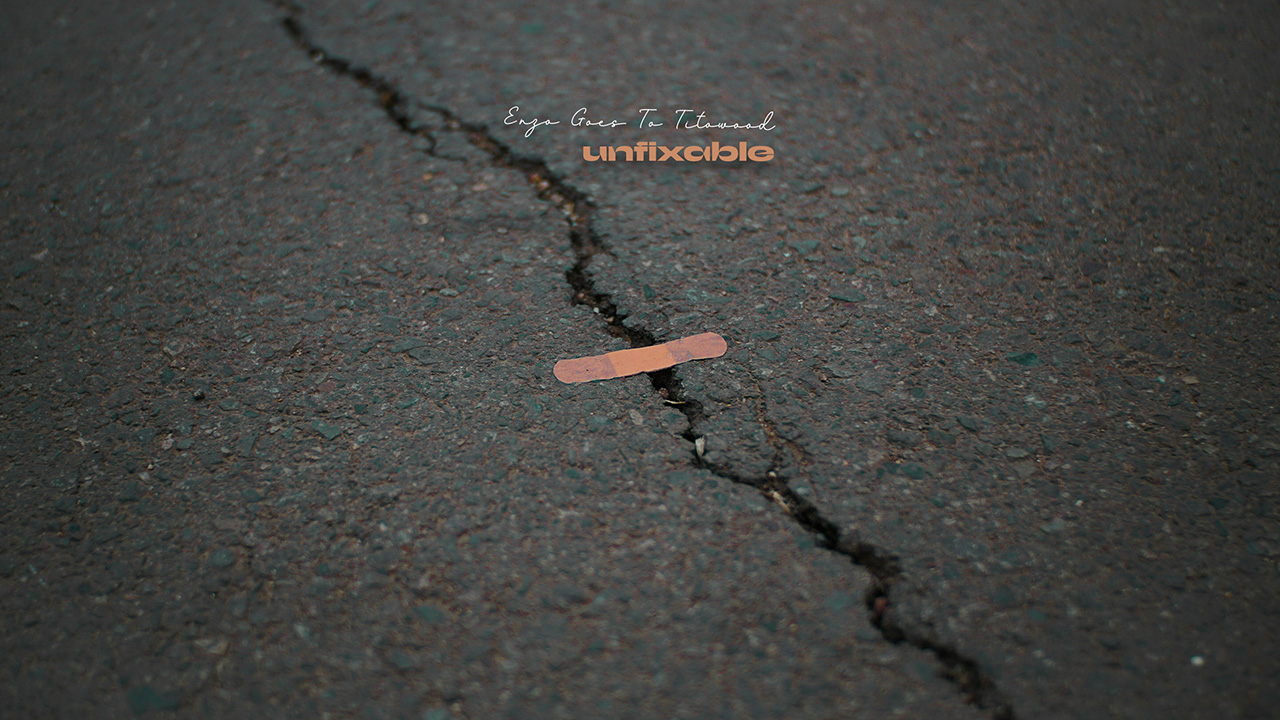
Unfixable
There are songs that entertain, songs that inspire, and then there are songs that seem to arrive precisely when they are needed.
Released in 2005, this song has become one of Coldplay’s most enduring and emotional works. At its heart, it is about compassion – the desire to help someone through pain, even when you know that some wounds cannot simply be repaired. It speaks to those moments when words are inadequate.
What makes the song so powerful is its honesty. It acknowledges loss, disappointment, and heartbreak, yet never loses sight of hope. The lyrics don’t promise easy answers. Instead, they offer reassurance that even in our darkest moments, we do not face them alone.
Musically, the original recording is a masterclass in patience. Beginning with quiet restraint, it gradually builds into something expansive and uplifting, mirroring the emotional journey at the centre of the song. It is this sense of progression – from vulnerability to hope – that has allowed the song to connect with so many people over the years.
For this reimagined interpretation, I wanted to explore the song from a more intimate perspective.
The arrangement has been rebuilt, allowing the emotion of the piece to unfold in a gentler and more personal way. The focus shifts towards the melody, the lyrics, and the quiet sincerity that sits at the heart of the song. The song then transitions, backed by an acoustic guitar, and culminates with an instrumental reimagining of the original track.
The piano carries the familiar themes with a softer touch, creating space for reflection and allowing each phrase to linger a little longer. Moments that once felt grand now feel closer, as though the song is being shared across a room rather than across a stadium.
The original vocal remains untouched, preserving the warmth and vulnerability that made the song so memorable. Set against this new piano backdrop, familiar lines take on a different character, revealing subtleties that can sometimes be lost within a fuller arrangement.
Creating these reimagined versions is often an exercise in discovery. By stripping a song back and rebuilding it from the ground up, new emotions emerge and familiar melodies find fresh meaning.
This recreation is not about changing the song’s message. If anything, it brings that message into sharper focus. Beneath all the layers, it has always been a song about kindness and hope.
Because sometimes the most powerful act of healing is not fixing what is broken.
It’s reminding someone that they don’t carry the weight alone.
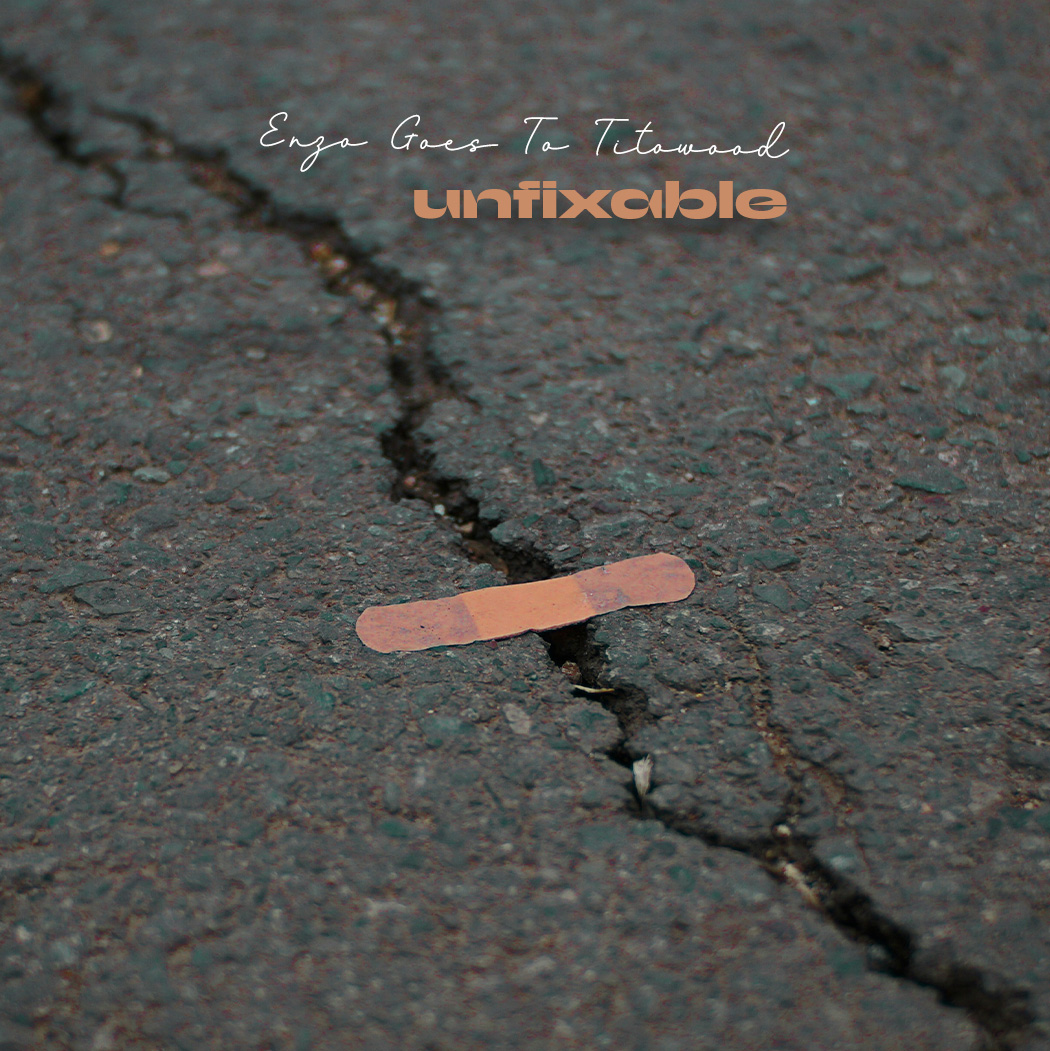
(right click | save as)
Related Posts
reading more
More media.