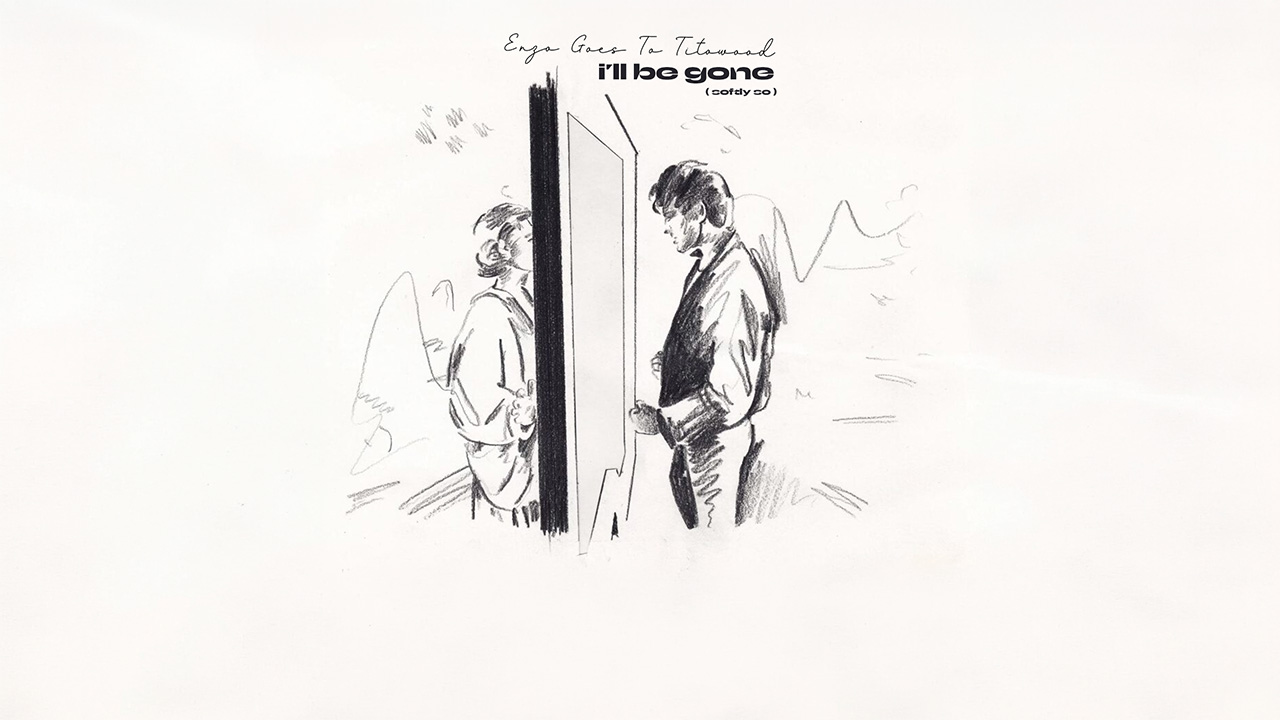
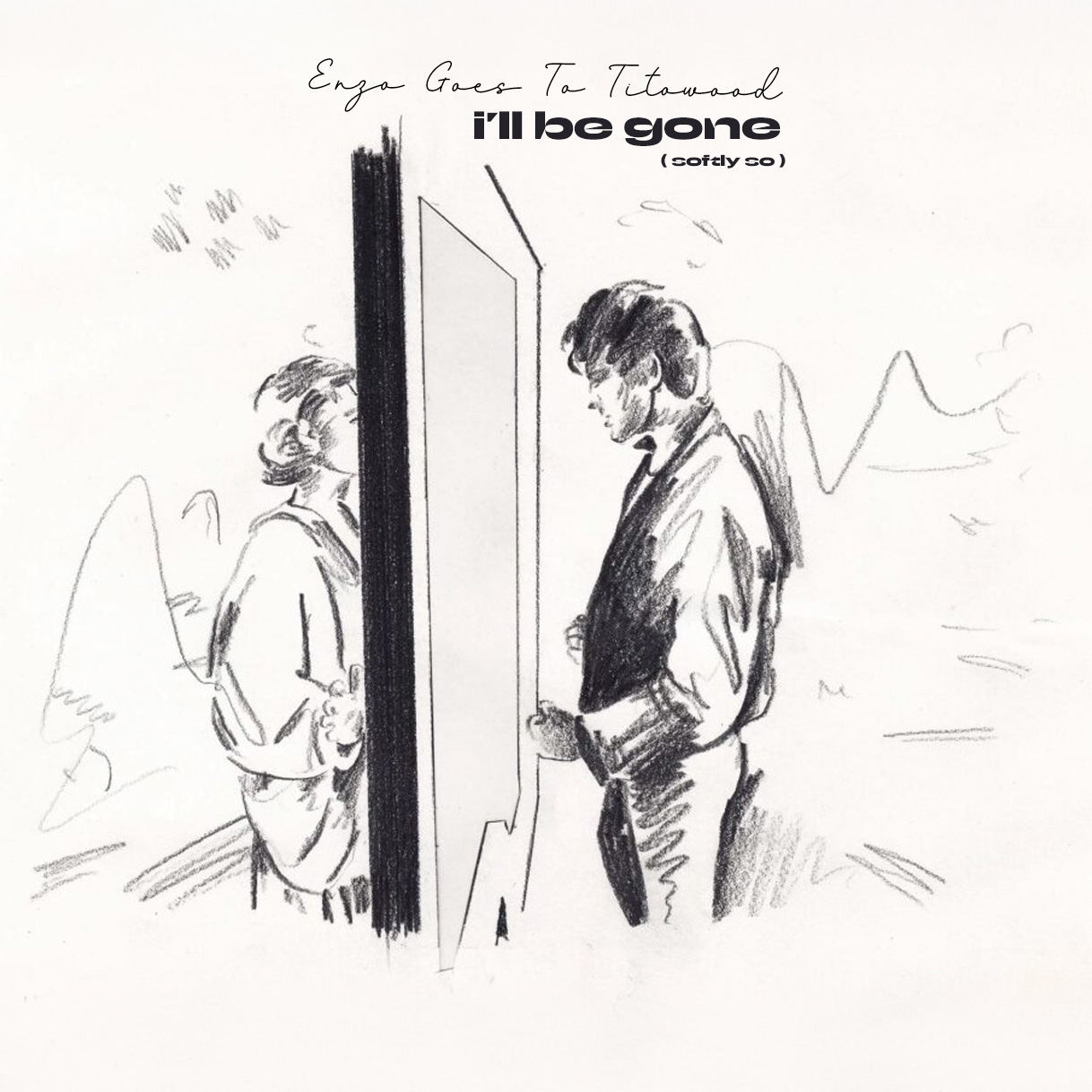
I’ll be Gone (softly so)
Some songs become so deeply woven into popular culture that it is easy to forget just how well they are written. This is one of those rare tracks. Instantly recognizable from its opening synth riff, it remains one of the defining songs of the 1980s – bright, energetic, and impossible not to sing along to.
Yet beneath the iconic production and soaring vocals lies something surprisingly vulnerable.
At its heart, this is a song about taking a chance. It captures the uncertainty of reaching out, of asking someone to step into the unknown despite the possibility of rejection. The lyrics carry a sense of urgency, but also optimism – a belief that some opportunities are worth pursuing, even if they may be fleeting.
This is not the first time the track has appeared on the site. I’ve visited it before, drawn to the contrast between its upbeat exterior and the quieter emotions hidden underneath. This new recreation takes that idea even further.
For this version, the arrangement has been completely rebuilt as a piano-only interpretation. The tempo has been softened and slowed, allowing the melody to unfold at a more reflective pace. Without the driving synths and soaring production of the original, the song reveals a different personality – one that feels more intimate, more fragile, and perhaps a little more nostalgic.
The piano becomes the storyteller, carrying familiar melodies through a gentler landscape where every pause and phrase has room to breathe. What was once a burst of youthful energy becomes something closer to a memory, viewed through a softer lens.
The original vocal remains at the heart of the track, but surrounded by this new arrangement it takes on a different character. Certain lyrics seem to linger longer, and emotions that might have been hidden beneath the momentum of the original recording begin to emerge.
Revisiting songs is one of the most rewarding parts of creating these interpretations. Returning to a familiar track some time later often reveals details that were overlooked the first time around. New ideas emerge, new arrangements take shape, and a song you thought you knew well suddenly has something new to say.
This version does not replace the original. Nothing could. Instead, it is an invitation to hear a familiar song from a different perspective – a quieter, more reflective conversation with a memory that has already unfolded before.
Because sometimes, when you slow a song down, you don’t lose its energy.
You discover its heart.
Lyrics (softly so)
Take on me
Take me on
I’ll be gone
In a day or two
Take on me
Take me on
I’ll be gone
In a day or two
We’re talking away
I don’t know what I’m to say
I’ll say it anyway
Today is another day to find you
Shyin’ away
Oh, I’ll be comin’ for your love, okay
Take on me
Take me on
I’ll be gone
In a day or two.
(right click | save as)
Related Posts
reading more
More media.