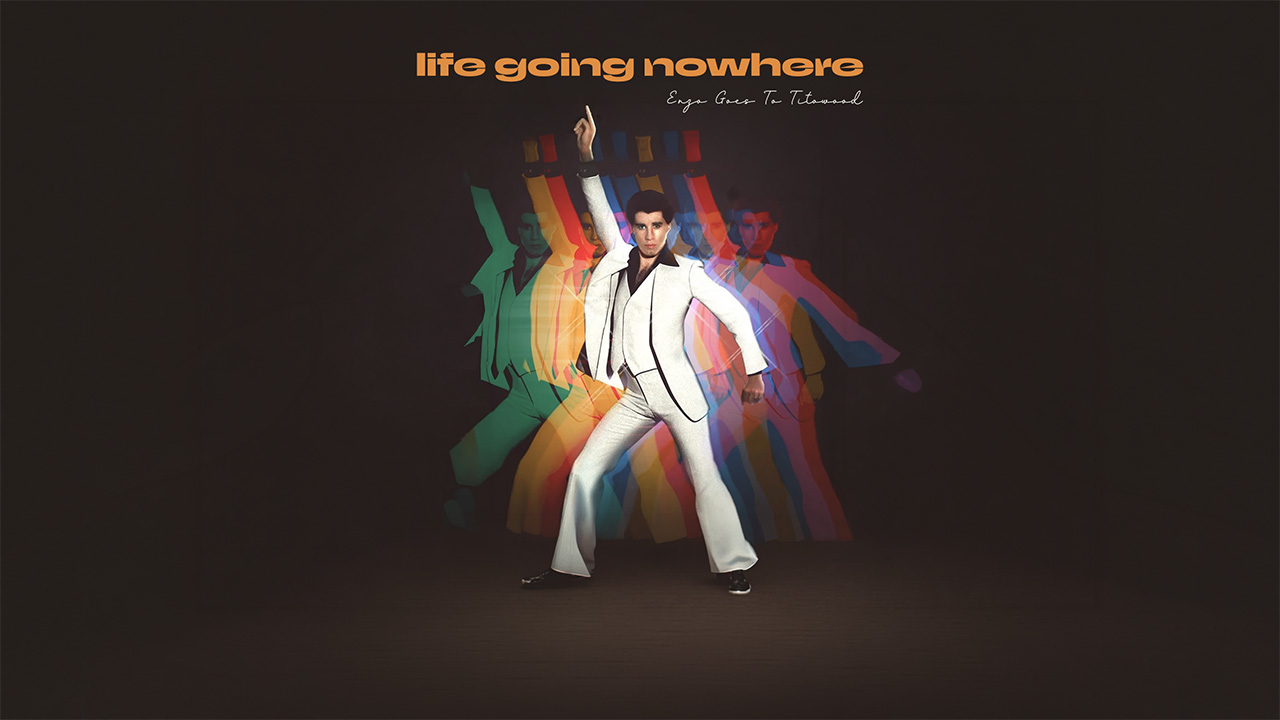
Like a storm rolling in, synths crash like thunder against stained-glass, the beat tolls like a bell calling sinners to kneel. But instead of silence and shame, the sanctuary erupts in light.
Neil’s voice cuts through the smoke, half-confession, half-declaration. Every word drips with the weight of guilt learned young, yet delivered with a theatrical flourish that turns sorrow into spectacle. “Everything I’ve ever done…” he intones, and suddenly the dancefloor feels like an altar, every dancer a penitent set free by sound.
Guilt gilded in neon, penance wrapped in sequins, shame transformed into something triumphant. It is both thundercloud and mirrorball – heavy as doctrine, dazzling as liberation. Even now, decades later, it doesn’t just play; it reverberates.
This arrangement stands as one of the most intricate to date. It opens with Neil’s original solo vocals, now drenched in rich layers of reverb, creating an expansive and haunting atmosphere intertwined with a slow piano.
The second section pulls everything back, then slowly rebuilds the soundscape as instruments emerge one by one, layering tension and depth. The vocals have been reimagined as well – the vocoder stripped away and replaced with a richer tone, woven through with subtle layers of texture. In total, 37 separate audio channels converge, each adding its own dimension to this reimagination.

Download the hi-res FLAC version. (Lossless)
(right click | save as)
(right click | save as)
Related Posts
reading more
More media.