Fernando — A Memory Rewritten in Piano and Silence
Fernando by ABBA has always carried the weight of memory: distant fires, whispered conversations, and the quiet bond between souls who have experienced something they can never quite forget.
But what happens when you strip it back to its essence?
This reimagined version features a solo piano, soft and reflective, like footsteps through the past. There’s no rush to arrive – each note lingers, as if searching for something just out of reach. The melody feels more fragile here, more human, as though the story is being told not to a crowd, but to one person, long after the world has moved on.
As the piece unfolds, the piano becomes the storyteller. Where once there were sweeping arrangements and distant echoes of grandeur, now there is intimacy. The familiar melody takes on a new weight – less about nostalgia, more about remembrance.
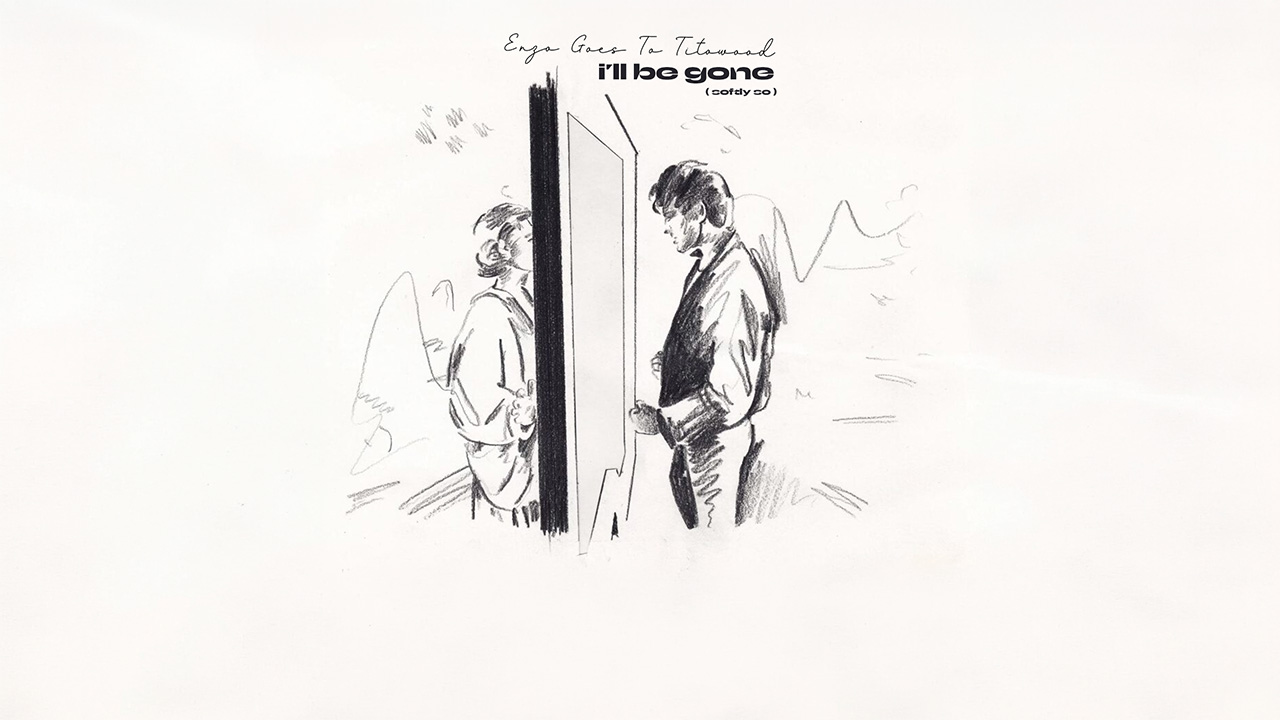
Two figures sitting beneath a fading sky, the last glow of firelight flickering in their eyes, a shared silence that says more than words ever could.
In this space, Fernando becomes something deeply personal. The questions feel softer, the memories closer. It’s no longer just a song about the past – it’s a conversation with it.
The piano carries both the beauty and the ache, balancing light and shadow with every phrase. There is warmth here, but also distance. Peace, but also longing.
And when the final notes fade, they don’t end – they linger.
A story still being remembered.
A moment that never truly left.
A quiet conversation with the past – two souls remembering a time of fire, belief, and connection beneath distant stars. Not the battle itself, but the feeling of it remains: the hope, the fear, the unspoken bond. Now, in the stillness that follows, all that’s left is memory – soft, distant, and forever glowing in the dark.
This is Fernando, reimagined – not as a distant echo of history, but as a quiet, living memory.

(right click | save as)
Related Posts
reading more
More media.