Now and Then
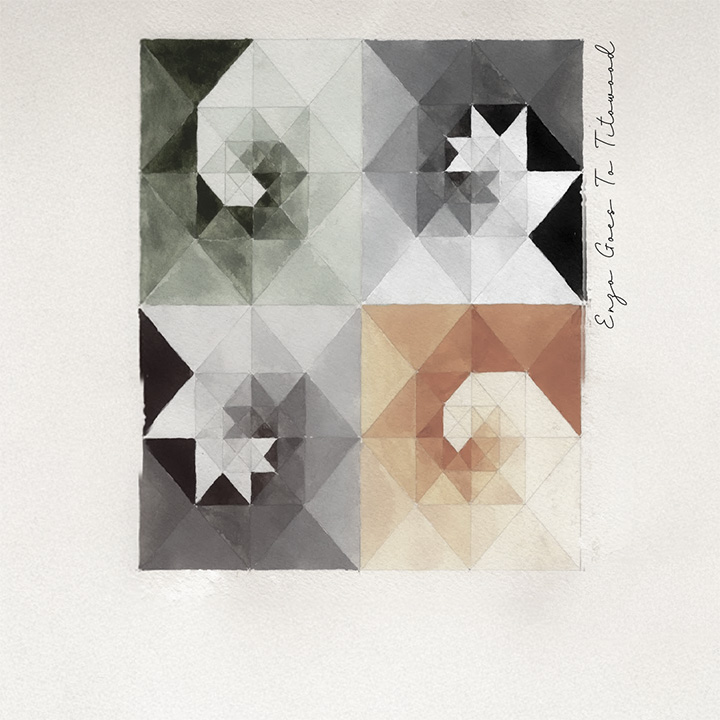
Before it became a global phenomenon, this track was a quiet, intimate song built on space, restraint, and emotional honesty. Originally released in 2011 by Gotye and featuring Kimbra, the track appeared on the album Making Mirrors and slowly grew into one of the most defining songs of the decade.
At its core, the song is about emotional distance, not explosive heartbreak, but the colder aftermath where two people remember the same relationship very differently. The sparse motif, sampled from Luiz Bonfá’s Seville, leaves room for silence, tension, and reflection. Nothing is rushed. Every word lands.
What made the original so powerful was its dual perspective. Gotye’s restrained, wounded delivery contrasts with Kimbra’s sharp, articulate response, turning the song into a conversation rather than a confession. There are no villains, just two people who can’t reconcile their versions of the past.
As the song climbed charts worldwide, its message resonated because it felt real. Love didn’t end in flames, it faded, hardened, and eventually turned someone familiar into a stranger. That emotional realism is why the song still endures.
Some songs don’t age.
They change shape, just like memories do.
And sometimes, hearing them again is like meeting someone you used to know.
This Version
This reworked and reimagined version isn’t about replacing the original, it’s about revisiting its emotional core. Stripped back and reframed, it leans into the space between the words, the silence after the last argument, and the lingering question of how someone once so close can feel so far away.
Sonically, the track starts with a new piano only arrangement, from which it transitions into a stripped out version recreating something similar to the original, however additional emphasis is given to the music, layered with the rearranged, reworked and reimagined original vocals.
(right click | save as)
Related Posts
reading more
More media.