Some songs feel like they’ve always existed – like they were waiting to be sung. I Say a Little Prayer is one of those.
Written by Burt Bacharach and Hal David, it was first given to Dionne Warwick in 1967, who carried it into the Top 10. It was Aretha Franklin’s 1968 version, buoyed by the gospel fire of The Sweet Inspirations, that turned it into something eternal – a love song that still shimmers decades later.
What makes it extraordinary is its simplicity. The lyrics don’t describe candlelit dinners or sweeping romances. Instead, they live in the quiet rhythm of a morning routine – brushing hair, getting dressed, heading off to work – every ordinary gesture wrapped in devotion. The refrain, “I say a little prayer for you,” is love folded into the fabric of the everyday, proof that intimacy doesn’t need grand stages; sometimes it’s enough to be carried in thought.
Aretha sang it not as a whisper but as a blaze – funkier, gospel-soaked, bursting with joy. Her voice lifts those simple lines skyward, turning private devotion into public celebration. It’s as if she takes an ordinary day and transforms it into a hymn, love glowing brighter with every refrain.
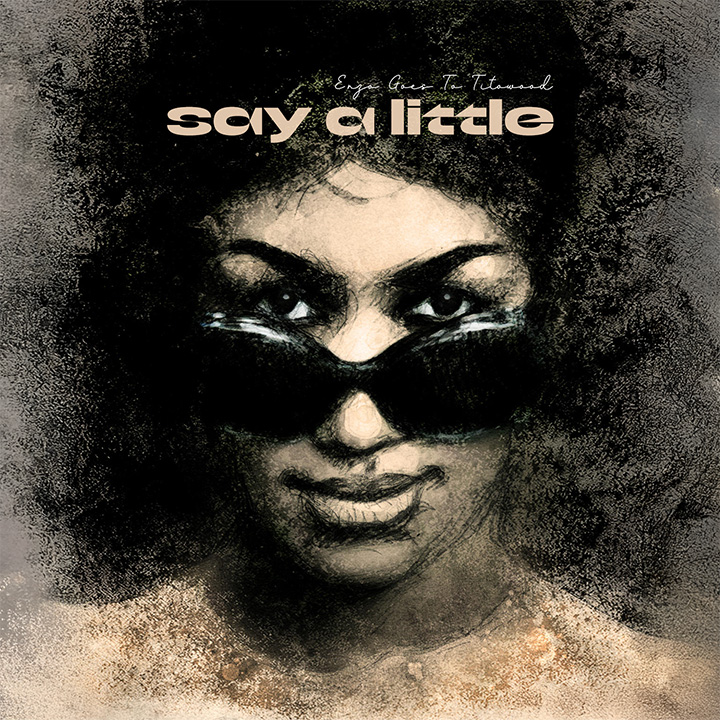
In this reimagined version, that same soul endures. Aretha’s 1968 vocals are the beating heart, now framed in new light: the backing harmonies stripped bare, polished with extra layers of shimmer, and boosted with greater presence – no longer shadows, but luminous threads that wrap around her voice. The effect is like rediscovering a familiar memory, pressed between the pages of time, with words glowing brighter than ever.
I Say a Little Prayer is proof that love doesn’t always live in grand gestures. Sometimes it lingers in the brush of a hand, the turn of a key, the rhythm of footsteps to work. A song of devotion, woven from life’s smallest moments, made infinite by the simple act of remembering.
Download the hi-res FLAC version. (Lossless)
(right click | save as)
(right click | save as)
Related Posts
reading more
More media.