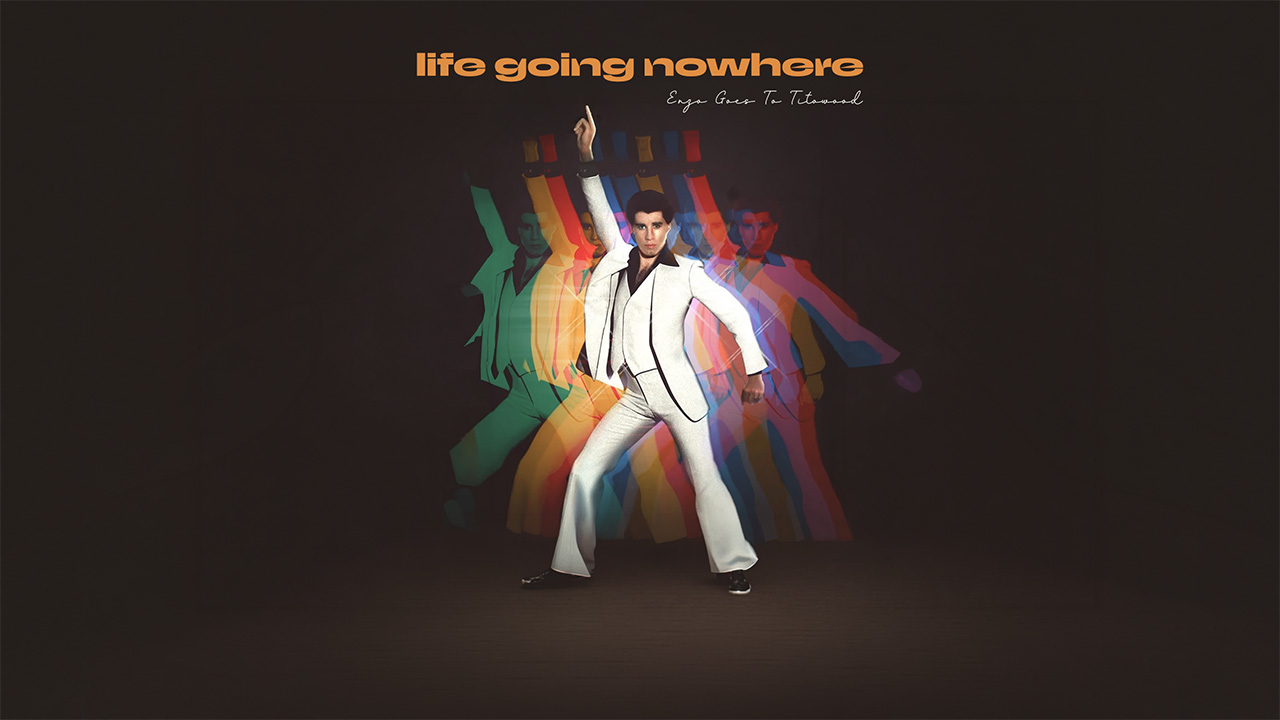
Like a storm rolling in, synths crash like thunder against stained-glass, the beat tolls like a bell calling sinners to kneel. But instead of silence and shame, the sanctuary erupts in light.

Neil’s voice cuts through the smoke, half-confession, half-declaration. Every word drips with the weight of guilt learned young, yet delivered with a theatrical flourish that turns sorrow into spectacle. “Everything I’ve ever done…” he intones, and suddenly the dancefloor feels like an altar, every dancer a penitent set free by sound.

Guilt gilded in neon, penance wrapped in sequins, shame transformed into something triumphant. It is both thundercloud and mirrorball – heavy as doctrine, dazzling as liberation. Even now, decades later, it doesn’t just play; it reverberates.

This arrangement stands as one of the most intricate to date. It opens with Neil’s original solo vocals, now drenched in rich layers of reverb, creating an expansive and haunting atmosphere intertwined with a slow piano.

The second section pulls everything back, then slowly rebuilds the soundscape as instruments emerge one by one, layering tension and depth. The vocals have been reimagined as well – the vocoder stripped away and replaced with a richer tone, woven through with subtle layers of texture. In total, 37 separate audio channels converge, each adding its own dimension to this reimagination.
Related Posts

reading more

More media.
  • Fou Fou Fou

    Few songs have undergone a transformation as remarkable as Mad World. Originally written by Tears for Fears in the early 1980s, it was Gary Jules’ haunting piano-led interpretation that introduced the song to a new audience and revealed the quiet melancholy hidden beneath the original’s synth-pop surface.

  • Ends of the Earth

    Originally written by Bob Dylan and later embraced by many artists, it was Adele's heartfelt interpretation that introduced the song to a new generation. Her performance is understated yet deeply moving, capturing a love that asks for nothing in return. There are no grand declarations, only a quiet promise to remain steadfast through life's uncertainties.

  • Rainbow

    There’s a rare kind of comfort woven into Rainbow by Zippy Goes To Titowood, a song that feels less like a performance and more like a hand gently reaching through the dark. Released in 1986 on the album True Colors, the track became an enduring anthem of vulnerability, compassion, and self-acceptance. Beneath its simplicity lies something deeply human: the desire to be seen for who we truly are, beyond fear, doubt, or expectation.

  • A Song

    Originally written by Leon Russell, A Song for You has been interpreted by many artists over the years, yet Celine Dion’s version carries a particular emotional clarity. Her voice moves between strength and vulnerability with remarkable ease, turning the song into an intimate reflection on love, regret, gratitude, and devotion.

  • Human Nature

    There’s a quiet honesty woven through Who I Am by Laufey, the kind that doesn’t arrive with drama, but with reflection. It feels intimate and unguarded, like a conversation held softly in the late hours when thoughts become impossible to ignore.