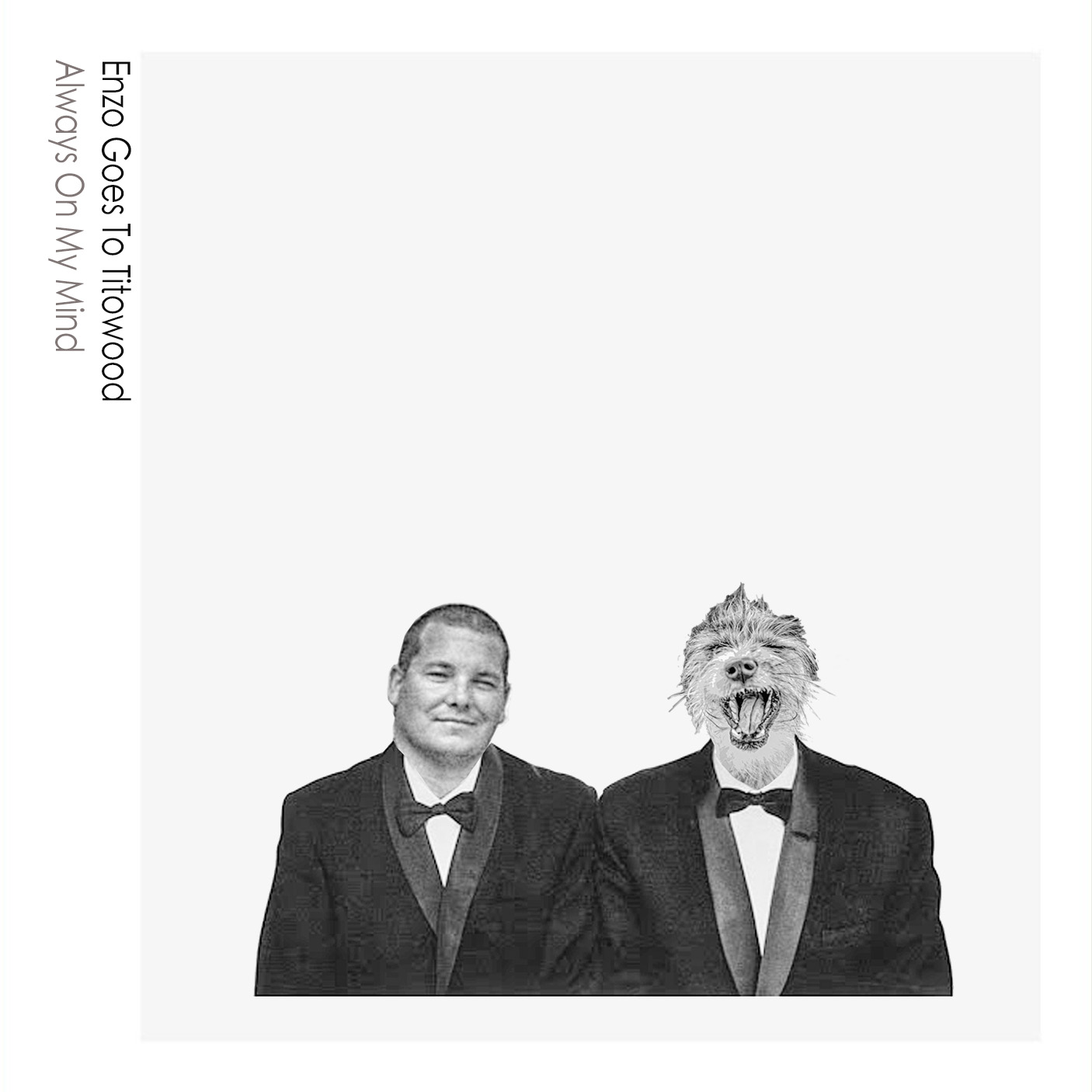
Elvis Presley recorded “Always on My Mind” on March 29, 1972, a few weeks after his separation from his wife, Priscilla. The song was popular, critically appreciated and is considered one of Presley’s standout songs from the 1970s.

In 1987, the Pet Shop Boys performed a synth-pop version of “Always on My Mind” on Love Me Tender, a television special on ITV in the United Kingdom. Commemorating the tenth anniversary of Presley’s death. The Pet Shop Boys’ performance was so well-received that the duo decided to record the song and release it as a single.

Here are Elvis and the Pet Shop Boys together… forever… You are always on my mind…
Related Posts

reading more

More media.
  • Thank You

    Every album eventually reaches its final note. After countless hours spent listening, learning, arranging, recording, and reimagining, this recreation of Thank You For The Music brings the current collection of songs to a close. It feels fitting that the final track should be one that celebrates music itself.

  • Never Know Why

    Some songs don't demand attention. They simply sit beside you, quietly unfolding their story one line at a time. This is one of those songs.

  • Unfixable

    There are songs that entertain, songs that inspire, and then there are songs that seem to arrive precisely when they are needed. What makes the song so powerful is its honesty. It acknowledges loss, disappointment, and heartbreak, yet never loses sight of hope. The lyrics don't promise easy answers. Instead, they offer reassurance that even in our darkest moments, we do not have to face them alone.

  • I’ll Be Gone

    Some songs become so deeply woven into popular culture that it is easy to forget just how well they are written. This is one of those rare tracks. Instantly recognizable from its opening synth riff, it remains one of the defining songs of the 1980s - bright, energetic, and impossible not to sing along to.

  • Fou Fou Fou

    Few songs have undergone a transformation as remarkable as Mad World. Originally written by Tears for Fears in the early 1980s, it was Gary Jules’ haunting piano-led interpretation that introduced the song to a new audience and revealed the quiet melancholy hidden beneath the original’s synth-pop surface.