Beauty and Burden
Some songs don’t just soundtrack a moment; they become the moment. The Verve’s “Bitter Sweet Symphony” is one of those rare creations – a piece of music that feels as vast as life itself, the whole weight of existence were woven into its strings.
The original begins with that now-legendary orchestral loop – a swirl of violins rising and falling, endlessly repeating like the rhythm of the universe itself. Then Richard Ashcroft’s voice enters, weary yet defiant: “’Cause it’s a bitter sweet symphony, this life…” In just a few words, the entire human condition is laid bare. Beauty laced with struggle. Joy tempered by restraint. A melody that soars, tethered by a world that won’t quite let it fly free.
The song’s video is as iconic as the music. Ashcroft striding down a London street, colliding with strangers, refusing to step aside. It’s more than a performance – it’s a metaphor. For pushing forward even when the world resists, for carrying your own rhythm while the city, the system, the very flow of life tries to knock you off course.
Yet, what makes “Bitter Sweet Symphony” so transcendent isn’t just its defiance – it’s its universality. Everyone who hears it finds themselves in it. It’s the song you play at a wedding, at a funeral, at the end of a long journey, or when you’re staring at the sky at 3 a.m. It belongs to every ending and every beginning, to joy and heartbreak in equal measure.
Bitter Sweet Symphony still feels like the soundtrack to existence itself. It doesn’t try to solve life’s contradictions; it embraces them. It reminds us that beauty and burden are two notes of the same melody, forever entwined.
Not many songs can capture the human spirit in just a few notes. This one did – and continues to, every time those strings begin to play.
This new arrangement brings the cinematic to the forefront, turning the song into something larger than life – a sweeping soundscape where strings swell like horizons and every note feels like it belongs on the silver screen, only to merge into the familiar, however somehow different.
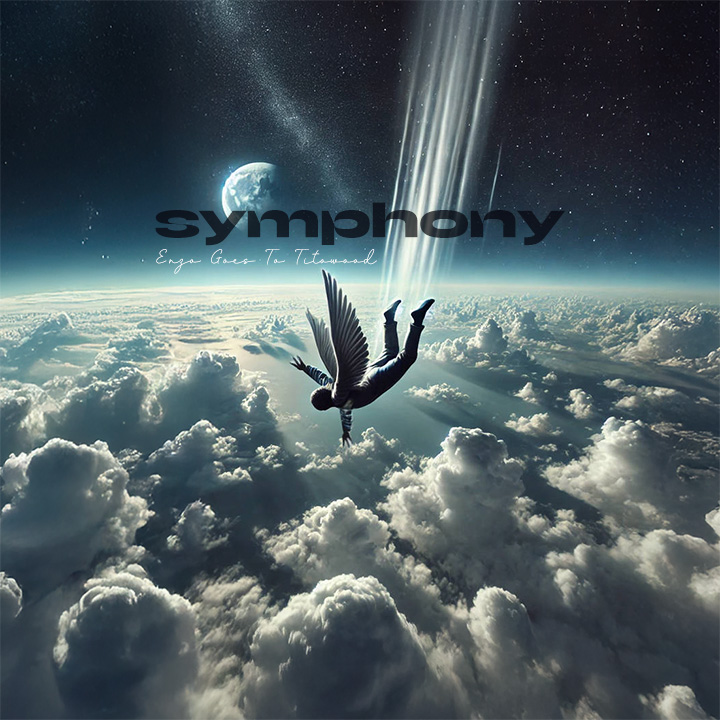
Download the hi-res FLAC version. (Lossless)
(right click | save as)
(right click | save as)
Related Posts
reading more
More media.