The Winner Takes It All

History, Heartbreak, and Truth

Released in 1980 on ABBA’s Super Trouper album, “The Winner Takes It All” marked a turning point for the band. Behind the flawless pop sound, real life was unraveling – and this song finally let that truth surface.

Born from personal heartbreak, the lyrics don’t rage or accuse. They observe loss with quiet clarity. There is resignation here, an understanding that love doesn’t always end fairly, and that sometimes only one person walks away whole.

What makes the song extraordinary is its restraint. No melodrama. Just calm, grown-up pain. Love is framed like a game of chance – unbalanced, cold, and irreversible.

Agnetha’s vocal gives the song its lasting power. Singing words written by her ex-husband, her voice never breaks, but it trembles enough to make the emotion undeniable.

Decades on, the song still finds its place in quiet moments – late nights, long drives, reflective pauses. It endures because it tells a universal truth.

This isn’t a breakup anthem for shouting along to.

It’s a song for sitting with your feelings.

In the end, The Winner Takes It All isn’t about winning or losing.

It’s about letting go as there are No More cards to play.

Happy Valentines Day !
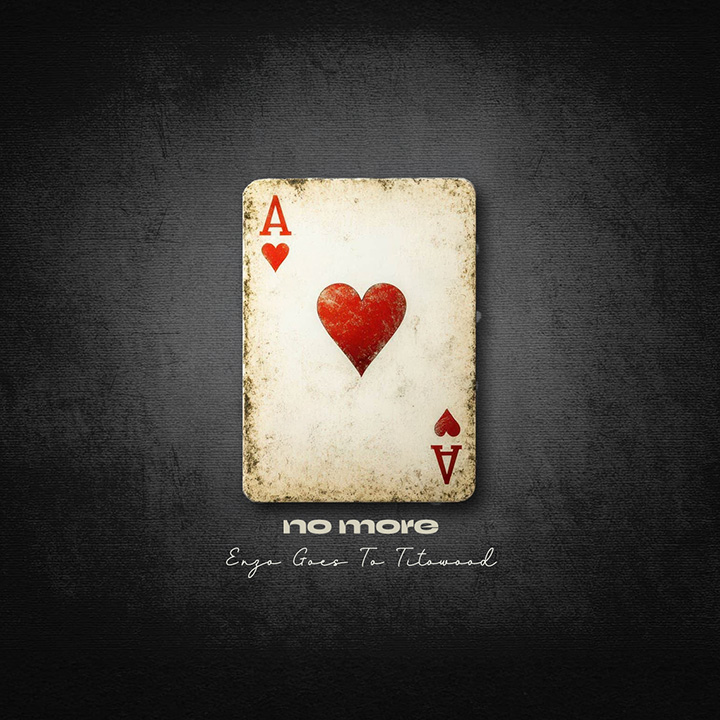
Reimagined, recreated and so much fun creating the piano backing track.

Download the mp3 version.

(right click | save as)

Related Posts

reading more

More media.
  • Fou Fou Fou

    Few songs have undergone a transformation as remarkable as Mad World. Originally written by Tears for Fears in the early 1980s, it was Gary Jules’ haunting piano-led interpretation that introduced the song to a new audience and revealed the quiet melancholy hidden beneath the original’s synth-pop surface.

  • Ends of the Earth

    Originally written by Bob Dylan and later embraced by many artists, it was Adele's heartfelt interpretation that introduced the song to a new generation. Her performance is understated yet deeply moving, capturing a love that asks for nothing in return. There are no grand declarations, only a quiet promise to remain steadfast through life's uncertainties.

  • Rainbow

    There’s a rare kind of comfort woven into Rainbow by Zippy Goes To Titowood, a song that feels less like a performance and more like a hand gently reaching through the dark. Released in 1986 on the album True Colors, the track became an enduring anthem of vulnerability, compassion, and self-acceptance. Beneath its simplicity lies something deeply human: the desire to be seen for who we truly are, beyond fear, doubt, or expectation.

  • A Song

    Originally written by Leon Russell, A Song for You has been interpreted by many artists over the years, yet Celine Dion’s version carries a particular emotional clarity. Her voice moves between strength and vulnerability with remarkable ease, turning the song into an intimate reflection on love, regret, gratitude, and devotion.

  • Human Nature

    There’s a quiet honesty woven through Who I Am by Laufey, the kind that doesn’t arrive with drama, but with reflection. It feels intimate and unguarded, like a conversation held softly in the late hours when thoughts become impossible to ignore.