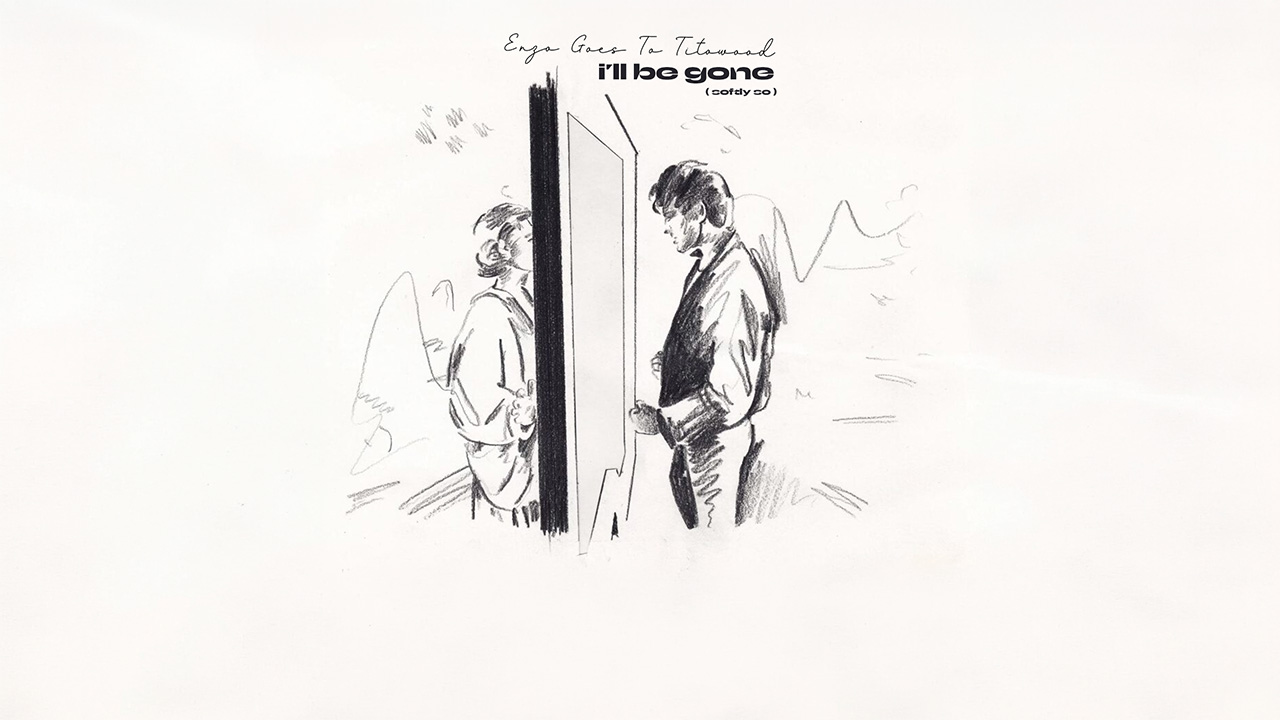
Mamma Mia — A Love Reimagined in Piano and Memory
Arriving with a burst of sunlight – bright, immediate, impossible to ignore. Revealing new shades of emotion when you dare to slow them down. Mamma Mia, a sparkling, irresistible anthem of love, confusion, and irresistible return.
But what happens when you let it breathe?
This reimagined version begins not with urgency, but with reflection. A solo piano sets the scene – gentle, searching, almost hesitant – as though the song itself is remembering what it once felt like to fall, to falter, to return. Each note lingers a little longer, allowing space for something deeper to emerge beneath the familiar melody.
Then the original vocals arrive – timeless, unmistakable – but now they feel different. Stripped of their original backdrop, they carry a new weight. What once felt playful now feels intimate. What once danced now lingers. The lyrics unfold like a quiet confession rather than a joyful exclamation.
Mamma mia, here I go again…
In this setting, the line becomes less about surprise and more about surrender – the quiet realization that love still holds its power, even after everything.
The piano moves like a heartbeat beneath it all, guiding the emotion rather than driving it. There is tenderness here, a sense of vulnerability that reveals the song in a new light. The push and pull of love – the confusion, the inevitability – feels softer, yet somehow more profound.
What emerges is not a reinvention, but a rediscovery. A reminder that even the most familiar songs hold hidden corners of feeling, waiting patiently to be uncovered.
This interpretation sits beside the original, like a memory viewed through softer light. A quieter conversation with a song we thought we already knew.
And in that quiet, something beautiful happens.
The joy remains… but now it’s touched by reflection, by longing, by the kind of love that doesn’t fade – it simply changes shape.
Why why, my my…
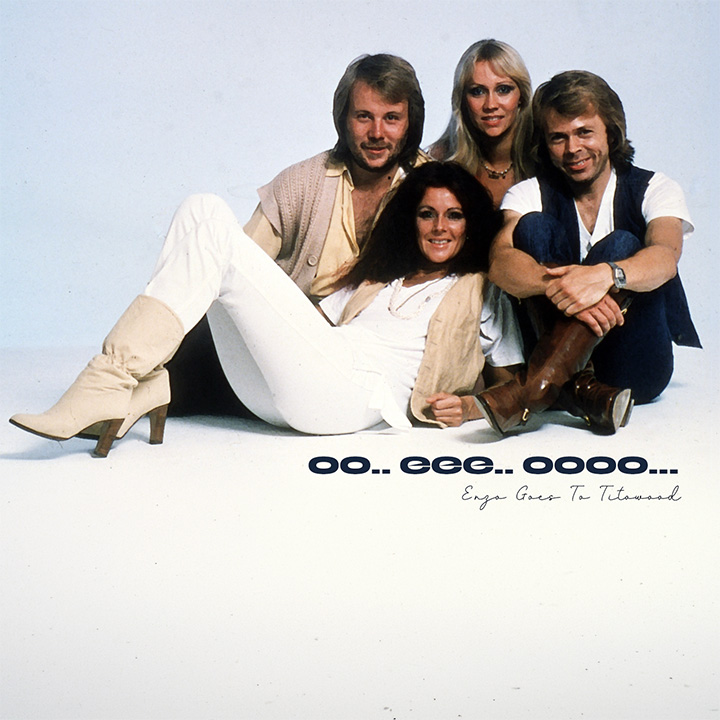
(right click | save as)
Related Posts
reading more
More media.