The Song That Made the World Dance
Some songs arrive quietly. Others arrive with a sparkle that never fades. This is a song that, from its very first shimmering notes, lifts the room a little higher.
Released in 1976 on the album Arrival, the track quickly became the band’s signature song and remains one of the most beloved pop recordings ever made. Written by Benny Andersson and Björn Ulvaeus with lyrics by Stig Anderson, it captures a fleeting moment of youth – that magical instant on a dance floor when the music, the lights, and the feeling of freedom all come together.
The music came first. Benny created the now-iconic piano groove after being inspired by the smooth rhythm of 1970s dance music. From there the song grew into something more cinematic – a celebration of possibility, elegance, and carefree nights.
When it was released as a single, the response was immediate. “Dancing Queen” topped charts across the world.
What makes “Dancing Queen” endure is its balance of joy and nostalgia. The soaring harmonies of Agnetha Fältskog and Anni-Frid Lyngstad give the song warmth and emotion, while the lush arrangement wraps everything in a glow that still feels timeless decades later.
It isn’t just a song about dancing – it’s a song about a moment.
A moment when the music plays, the lights shimmer, and for a few perfect minutes, the whole world feels young.
Recreation
This recreation begins slowly – gently, delicately – allowing the familiar melody to emerge piece by piece. Individual instruments appear one at a time, each layer revealing another part of the song’s rich musical tapestry.
A piano phrase here. A rhythm taking shape there. Subtle harmonies beginning to rise.
As the arrangement unfolds, the layers grow and intertwine, gradually building the atmosphere that made the original so magical. Each element – rhythm, harmony, melody – steps forward before blending into the whole.
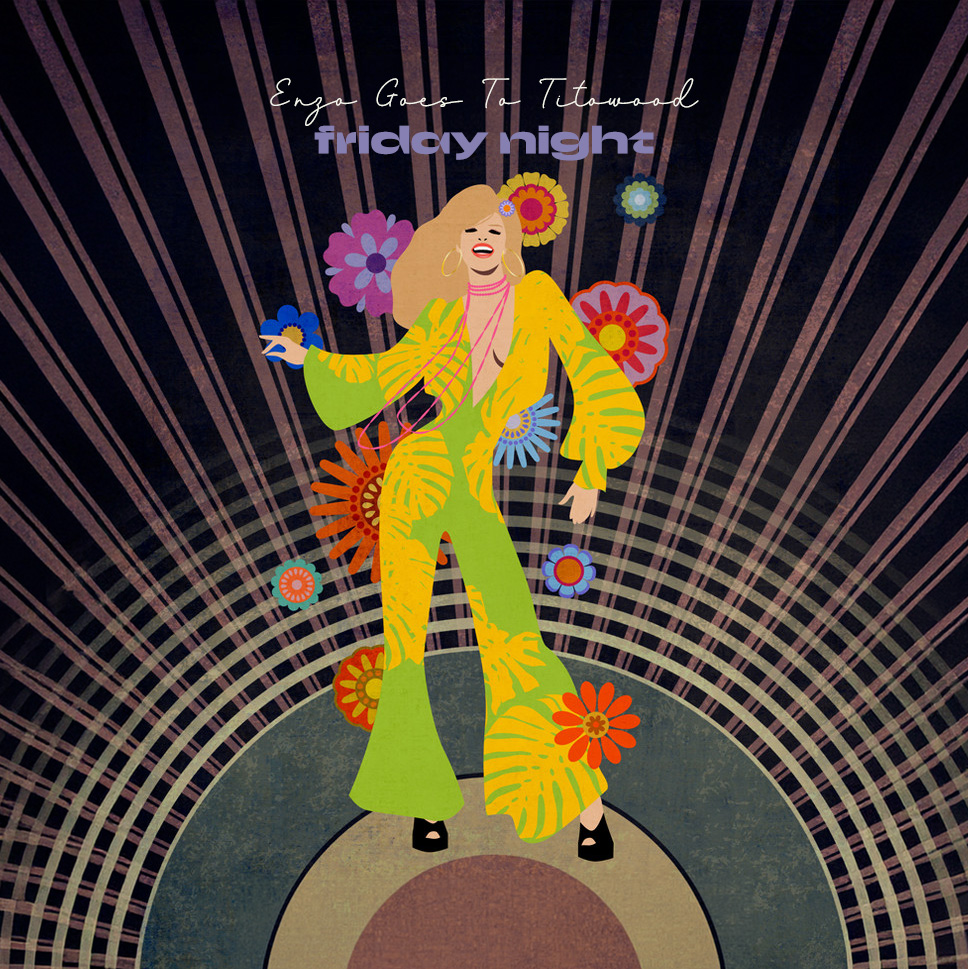
A small journey through the song, ending exactly where it belongs, on the dance floor.
(right click | save as)
Related Posts
reading more
More media.