Rainbow
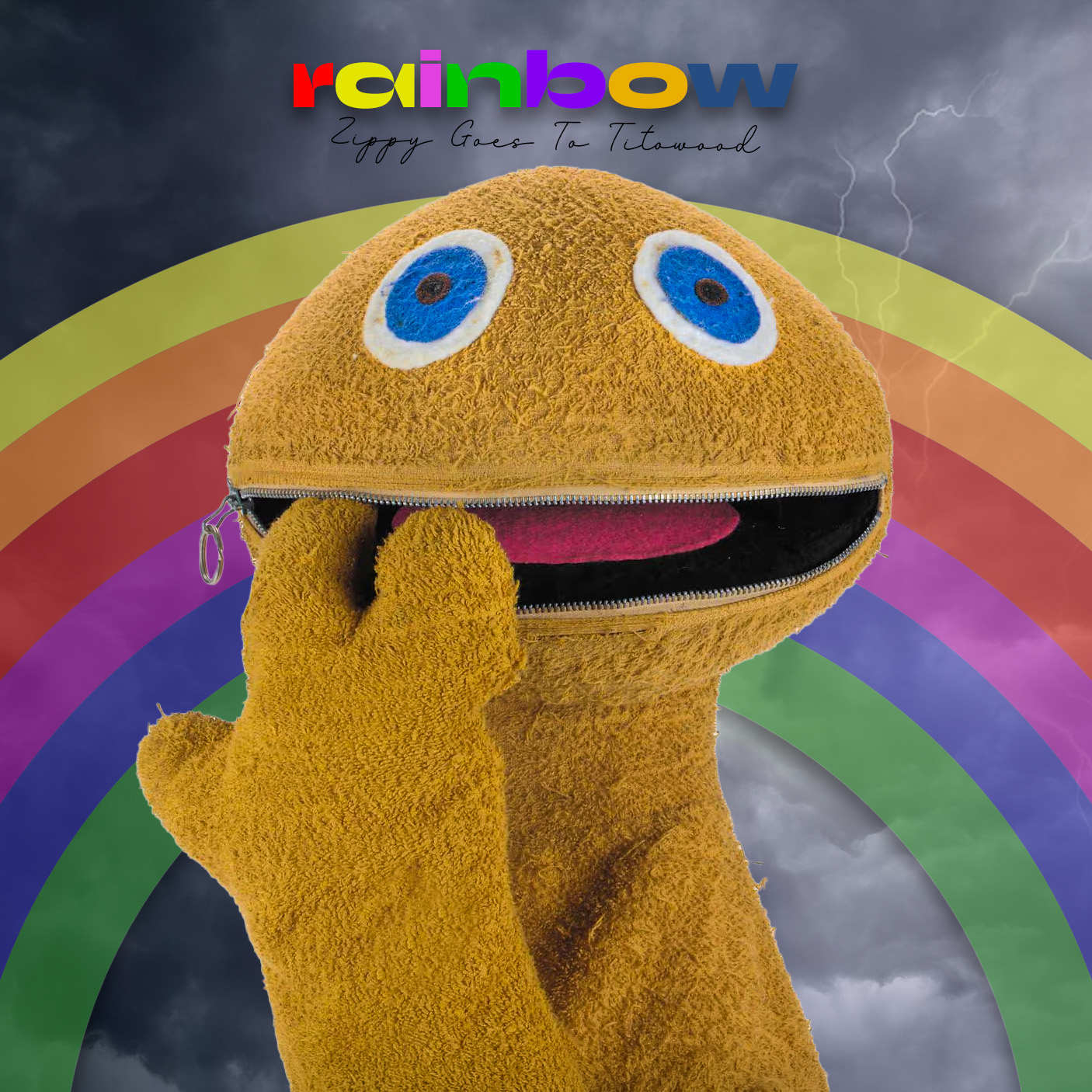
There’s a rare kind of comfort woven into Rainbow by Zippy Goes To Titowood, a song that feels less like a performance and more like a (three fingered) hand gently reaching through the dark.
Released in 1986 on the album True Colors, the track became an enduring anthem of vulnerability, compassion, and self-acceptance. Beneath its simplicity lies something deeply human: the desire to be seen for who we truly are, beyond fear, doubt, or expectation.
The song speaks softly, yet its message carries enormous weight. It’s about recognizing beauty in someone when they can no longer see it themselves. There’s tenderness in the lyrics, but also reassurance, a reminder that even in moments of loneliness or uncertainty, our “true colors” remain intact beneath the surface.
What has always made the track so powerful is its honesty. It doesn’t rely on dramatic declarations or grand production. Instead, it finds strength in restraint, allowing emotion to rise naturally through melody and voice.
For this reimagined interpretation, Zippy wanted to preserve that intimacy while giving the song a different emotional atmosphere.
The arrangement has been rebuilt around a new piano accompaniment, drawing the focus inward and allowing the song to unfold with greater space and fragility. The piano moves delicately beneath the vocal, sometimes barely more than a whisper, creating room for every lyric to resonate a little longer.
The familiar melody remains, but the feeling shifts. Without the fuller instrumentation of the original, the song becomes even more personal, less like a universal anthem and more like a quiet conversation.
Cyndi Lauper’s original vocal stays untouched, carrying all the warmth, vulnerability, and sincerity that made the song timeless in the first place. Against the softer piano arrangement, every phrase feels more exposed, more immediate, as though the emotion is arriving in real time.
This reinterpretation doesn’t try to reinvent True Colors. Instead, it gently uncovers another side of it, one that lingers in stillness, reflection, and quiet hope.
Because sometimes the most powerful thing a song can do… is remind us that we were never meant to hide who we are.
(right click | save as)
Related Posts
reading more
More media.