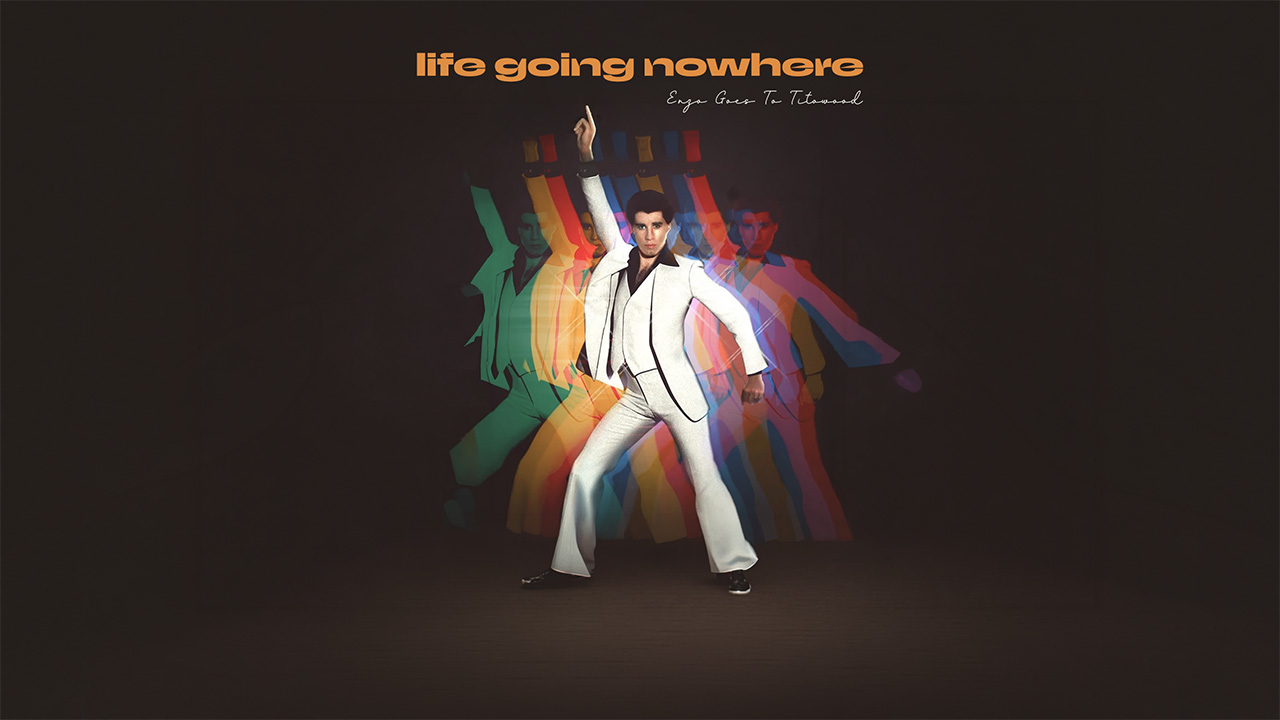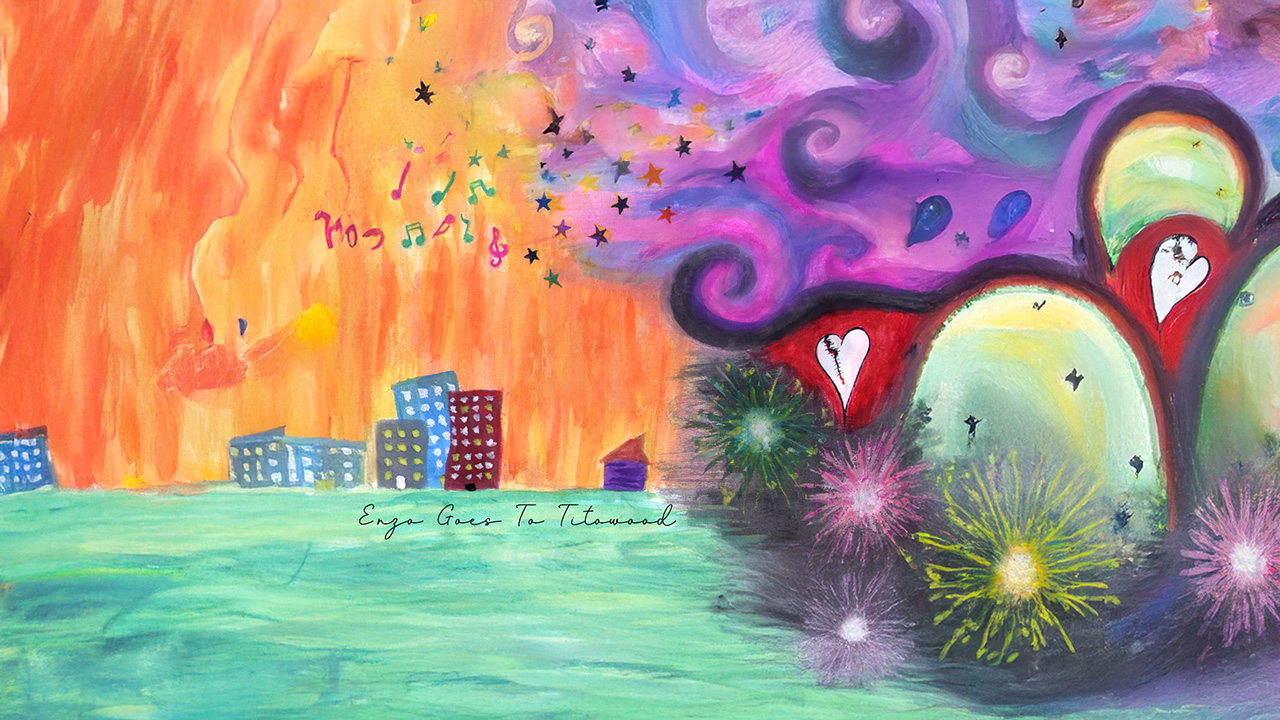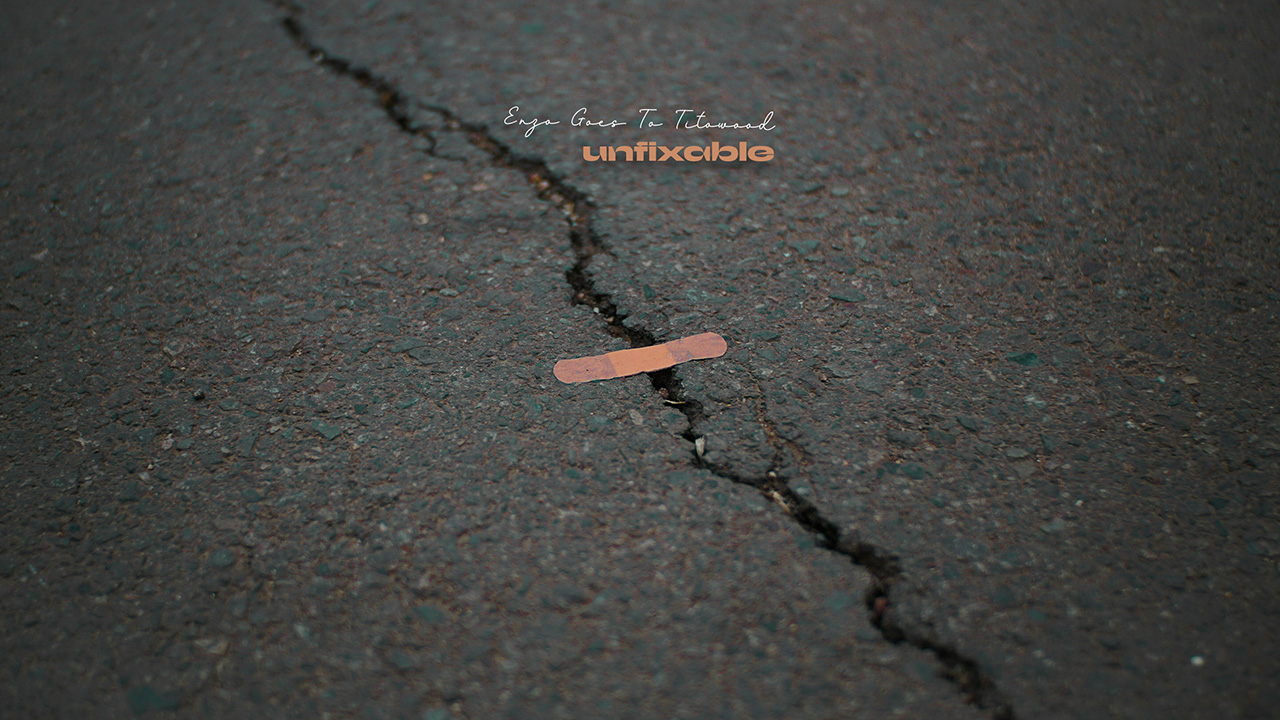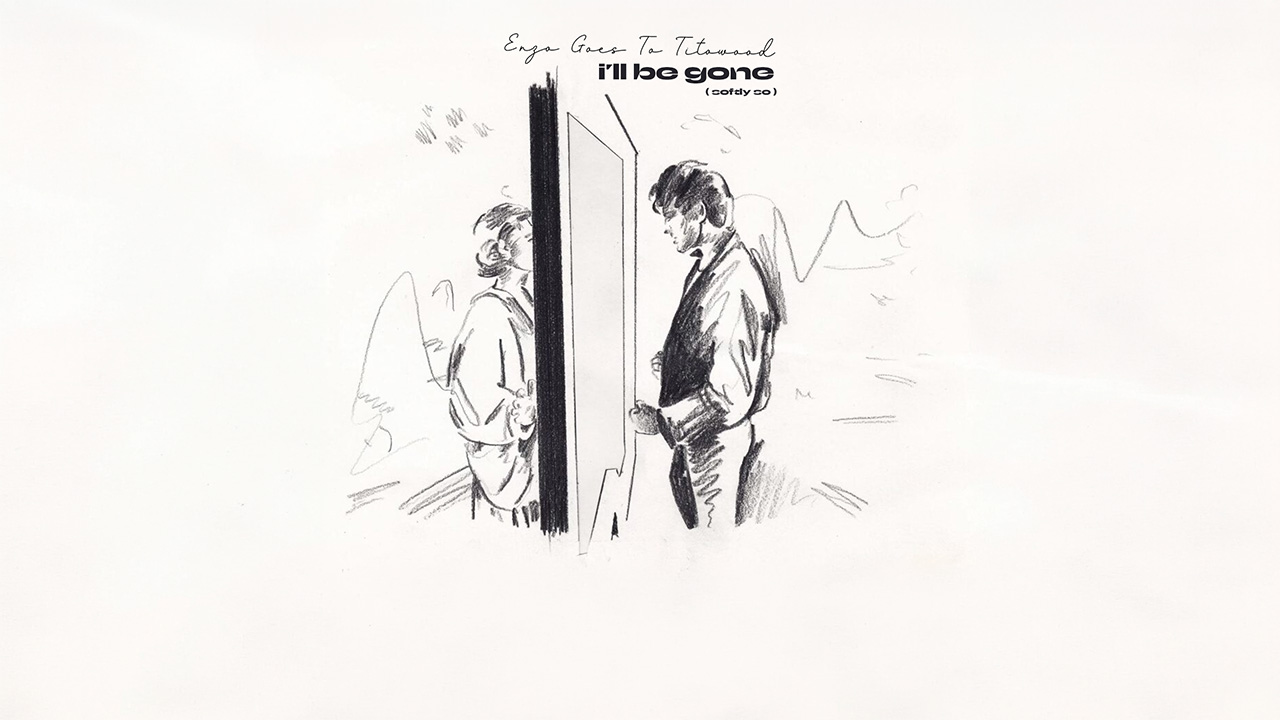
There’s a certain kind of silence that follows heartbreak – not empty, but heavy, like the air before a storm. This song lives in that space.
It is the sound of watching love slip into the distance, of standing still while the world moves on without you. Adele’s voice doesn’t just sing the story; it inhabits it. Every breath feels like a confession, every crack a wound reopening.
Here, grief and longing are not opposites but companions, walking hand in hand toward acceptance. The ache is undeniable, yet beneath it runs a quiet current of hope – the belief that love, in some form, will return.
The arrangement is stripped to its bones: a piano, a voice, nothing else. That sparseness is its truth. No ornament, no disguise – just the raw pulse of feeling, laid bare.
In this reimagining, her original vocals are cradled by a newly woven piano accompaniment, a fresh thread through familiar fabric. It doesn’t replace the past; it reframes it, letting the light fall differently on the same, unforgettable face of loss.
The song opens like a lone candle in a darkened room – its flame trembling, casting long shadows on the walls of memory.
It is the sound of standing at the edge of a winter field, breath clouding in the cold, watching someone you love walk away until they are nothing but a blur against the horizon. Adele’s voice drifts through that frozen air like smoke – fragile, curling, impossible to hold.
Grief here is not a sudden storm but a tide, pulling you back into moments you thought you’d left behind. Longing clings like the scent of rain on skin, while acceptance waits quietly at the shoreline, patient but distant.
The music is stripped to its bare bones – a single piano, each note falling like a pebble into still water, sending ripples through the silence. Between those ripples, her voice blooms and breaks, a wildflower growing through cracked stone.

Download the hi-res FLAC version. (Lossless)
(right click | save as)
(right click | save as)
Related Posts
reading more
More media.